The Twisted Satisfaction of Doing Hard Things

I have recently returned from Dublin. Invigorated, with a lot of sheep souvenirs, and significantly changed.
Yes, it’s been two solid months since I last appeared on this blog. I could blame 2026, as everyone else seems to do, but the truth is I’ve just been obscenely busy. To make amends for my digital ghosting, I come bearing gifts: a deep dive into the strange, addictive satisfaction of doing really, really hard things.
(For those of you tapping your foot waiting for my definitive Dublin travel guide, I say: pour yourself a Guinness. That’s definitely in the cards, but not quite yet.)
Before we go any further, I would be remiss not to clarify exactly what kind of "hard" we are talking about.
Objectively Hard Things: The universally acknowledged horrors of modern existence. Think: surviving a recession, dealing with hardship or finding a job in this economy. The universe imposes these upon us.
Self-Inflicted Hard Things: The entirely voluntary, delightfully unnecessary mountains we choose to climb just to prove to ourselves that we can.
We are exclusively talking about the latter.
Now that we have our operational definitions neatly sorted (can you tell my brain has been held hostage by academic paper-writing for over a year?), let’s get into the why. Why do we actively seek out a challenge? What does this voluntary struggle actually bring us, and how does it shape who we become?
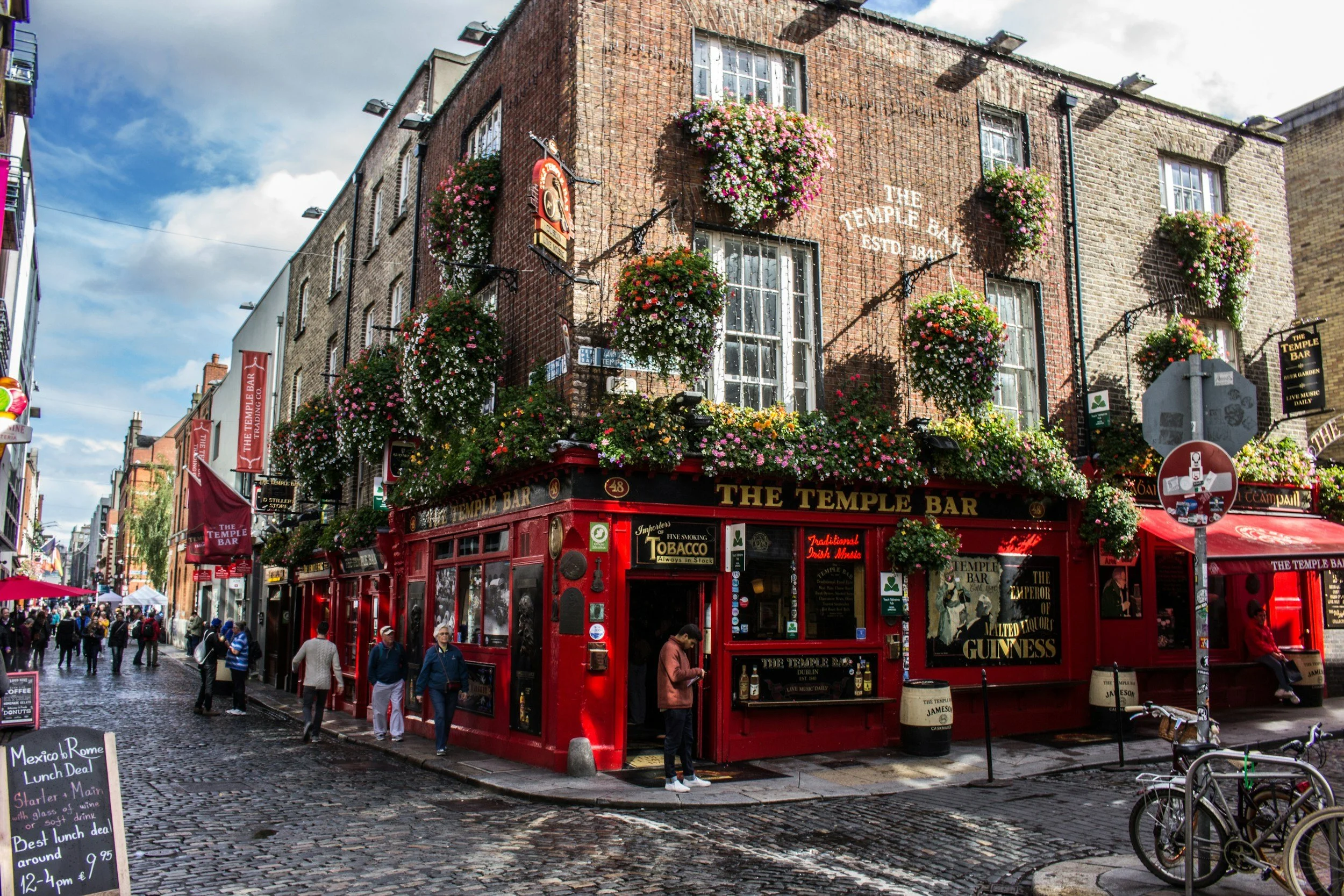
The Literary Everest on My Bucket List
If you caught my previous post, you already know about my borderline obsession with bucket lists. I don't just passively jot down "100 Things Before I Die." I actively and rigorously plan my years around it.
Well, lurking menacingly on that list for years was one particularly daunting item: finally, finally reading James Joyce’s Ulysses.
For the uninitiated, Ulysses is a giant doorstop of a book widely hailed by literary critics as a brilliant masterpiece, and by everyone else as "the most complicated novel ever written." Without spoiling the labyrinthine stream of consciousness, the plot essentially boils down to a guy taking a very long, very detailed walk through Dublin on a single day. This meandering stroll is exactly why the Irish throw a massive literary street party called Bloomsday every June 16th.
I didn't just casually pick this book up on a whim. I have tried to read Ulysses four separate times in the past. And four separate times, I failed with spectacular, soul-crushing misery.
Until now. Knowing I had an upcoming work trip to Dublin, I decided to deploy the ultimate psychological hack: cultural bribery. Since the traditional "carrot and stick" method usually ends with me just eating the carrot and throwing away the stick, I went all-in on the reward.
I made a pact with myself: I would conquer the book before my trip so that, once there, I could take a walking tour and physically retrace the protagonist's footsteps.
Yes, I know. I am an absolute, unapologetic book nerd. I’ve been told. And I also love closure.
And guess what? It actually worked. I have achieved a few respectable things in my lifetime, but honestly, very little compares to the sheer, intoxicating smugness of strolling the streets of Dublin and casually uttering, "Ah, yes, he talks about this exact spot in chapter 8."

What a 700-Page Literary Beast Taught Me
Reading Ulysses and subsequently dragging myself across Dublin to prove I actually read it wasn’t just a flex; it was an education in resilience. Here are the core truths I extracted from the cobblestones and confusing prose:
Confusion is a feature, not a bug: For the first 200 pages, I had absolutely no idea what was going on. But I learned to sit with the discomfort of not knowing. Whether you’re reading Joyce or starting a new career, demanding immediate clarity is the fastest way to quit. Sometimes, you just have to keep walking.
The magic is in the mundane: Ulysses isn't about dragons or epic wars; it’s about eating breakfast, going to a funeral, and buying soap. Standing inside Sweny’s Pharmacy near Lincoln Place (the exact spot where the protagonist buys his famous lemon soap), I realized that doing hard things often trains us to notice the beautiful, granular details of everyday life that we usually rush past.
Momentum is everything: If I stopped reading for more than two days, the narrative thread dissolved. Hard things require a relentless, plodding cadence. You don't have to sprint, but you cannot stop.
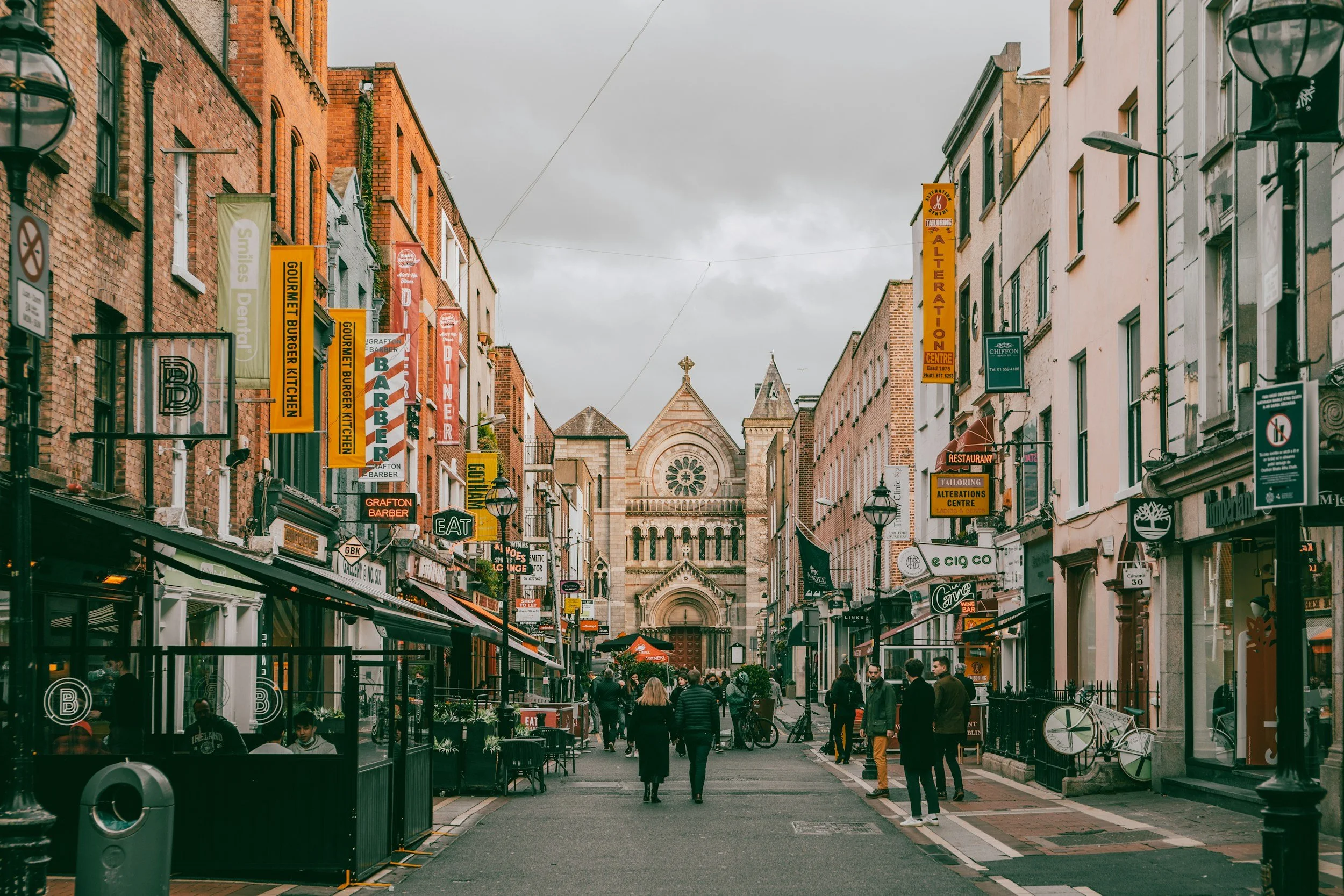
The Psychology of the Struggle: Why We Crave the Grind
Why do we voluntarily subject ourselves to this? Why not just sit on the couch, eat a gorgonzola sandwich at Davy Byrnes pub (a highly recommended Leopold Bloom maneuver, by the way), and watch Netflix?
Psychologists call this the Effort paradox. Humans are wired to conserve energy, yet we derive the deepest meaning from expending it. We think we want a life of total leisure, but what we actually crave is competence.
When you tackle a self-inflicted hard thing, you are engaging in what outdoor enthusiasts call "Type 2 Fun." To understand it, you have to look at the fun spectrum. Type 1 Fun is exactly what it sounds like: eating ice cream, watching a good movie, or taking a casual, breezy stroll through St. Stephen's Green. It feels fantastic in the moment. It’s a hit of easy dopamine… but once it's over, it's ultimately forgettable.
Type 2 Fun, on the other hand, is reading Ulysses, running a marathon, or learning to code. In the exact moment you are doing it, it feels miserable. It is frustrating, tedious, and forces you to aggressively question your own life choices. But afterward? It feels legendary. It yields a deep, enduring sense of pride.
When you overcome voluntary friction, your brain doesn't just reward you with a fleeting rush of joy; it fundamentally rewires your self-image. You stop being "someone who wants to do things" and become "someone who does hard things."

Your Blueprint for Self-Inflicted Torture (and Triumph)
If you are feeling inspired to tackle that intimidating goal that’s been gathering dust on your own bucket list, here is how to actually get it done without losing your mind.
Define your beast: Pick one thing. Not five. Do not decide to learn Mandarin, train for an Ironman, and write a novel all in the same month. Pick your personal Ulysses and commit.
Chop it into ridiculous micro-goals: A 700-page book is terrifying. Ten pages a day is just a mild annoyance. Break your hard thing down until the daily task is so small that failing to do it would be downright embarrassing.
Deploy shameless bribery: Link your hard task to a tangible, deeply personal reward. For me, it was the Dublin walking tour and a victorious hot chocolate with a touch of Bailey’s. Find yours.
Embrace the "suck phase": Expect the middle to be awful. When the initial excitement wears off and the finish line is nowhere in sight, rely on your schedule, not your motivation. Motivation is a fickle friend; discipline is the stubborn companion that actually gets you to the finish line.
So, what’s the next ridiculous, unnecessarily difficult thing on your list? Maybe it’s not reading a century-old Irish modernist novel. Maybe it’s running a 10K, learning to bake the perfect sourdough, or finally fixing that leaky sink without calling a plumber. Whatever it is, I promise you that the view from the other side is worth every miserable moment of the climb.
Go find your Ulysses. I’ll be over here, plotting my next bucket list conquest and figuring out where to put all the sheep mugs.
You can search for all destinations currently featured on mucho mundo here and consult the blog articles here.