Why Grand Life Plans Are a Trap (And What to Do Instead)

Recently, I found myself at a concert of a German singer I’ve been obsessively following for 20 years.
It all started on my very first day in the student dorms in Vienna, a sunny late September afternoon. The girl next door had one of his songs on loop. I marched over to tell her it was annoying and to keep it down, only to unwittingly sign up for a lifetime fandom. (Thank you, Magda, even though you will probably never read this).
That song haunted me for the rest of the year. I went down the rabbit hole looking for more, and twenty years later, I still haven't climbed out. So, to say the opportunity to finally scream the lyrics to that same song live was a "full circle" feels like a polite understatement. It was a major bucket list item, finally struck through with permanent marker.

Confessions of a Six-Year-Old CEO
I love a list. I’ve always been a chronic planner. Legend has it (and by legend, I mean my childhood neighbor) that I displayed upper-management potential at the tender age of six. While other kids were just playing with blocks, I was project-managing our toy animal farm from concept to execution, planning the phases and allocating resources.
That energy followed me straight through university. I carried a paper agenda everywhere, treating it like a sacred text. I planned every second of every week. I could tell you exactly where you’d find me at 1:37 PM that day, and tragically, exactly where I’d be at 6:22 PM eight days later. You know those people whose Google Calendars look like a game of Tetris with zero breathing room? That was me, long before Google Calendar was even a thing.

The "Spontaneity" Experiment
Eventually, after finishing my PhD in record time (because, of course, I did), I was successful, but tired. I was also not particularly happy, so I made the calculated decision to be spontaneous. (I am aware of the irony of that sentence). I tossed the agenda and tried living "in the moment", mostly because someone told me that’s what relaxed people do.
And while the adventures were incredible and the spontaneity helped me grow into a much cooler version of myself, I eventually felt a phantom limb where my to-do list used to be. I yearned for structure. My inner six-year-old project manager wanted her clipboard back. So, I decided to take the best of both worlds.
Spoiler alert: the main protagonist is a bucket list.
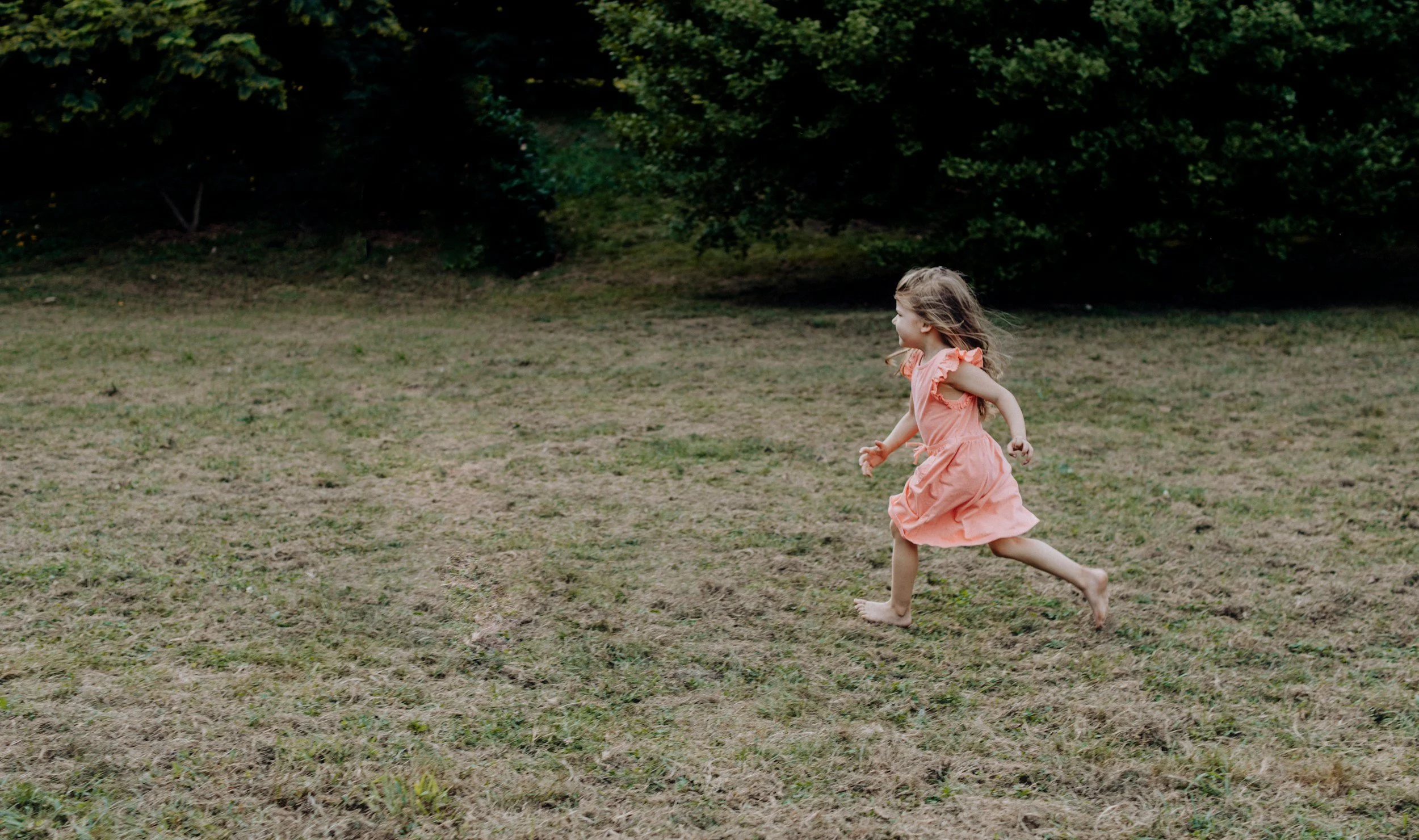
The Path
Fast forward to a few years later. I was back in school doing my second master’s degree at Harvard, and I stumbled into Professor Michael Puett’s famous class on Chinese philosophy, and signed up. (Pro tip: you can even take it online for free here. Honestly, it’s one of the best gifts you can give yourself in 2026).
Puett’s book, The Path, argues that the Western obsession with "Grand Life Plans" is actually a trap. It locks you into a script written by your past self, preventing you from growing into someone new.
But here is the key: Puett doesn't suggest we just float around aimlessly. In one of his fascinating lectures, he told us the story of Cook Ding, attributed to the philosopher Zhuangzi. Cook Ding was a butcher who cut with such grace his knife never got dull. His secret? He didn't hack away randomly, but he also didn't follow a rigid manual. He had practiced the structure so deeply that he could move with total freedom.
Puett calls this "Trained Spontaneity." And that was the missing piece.
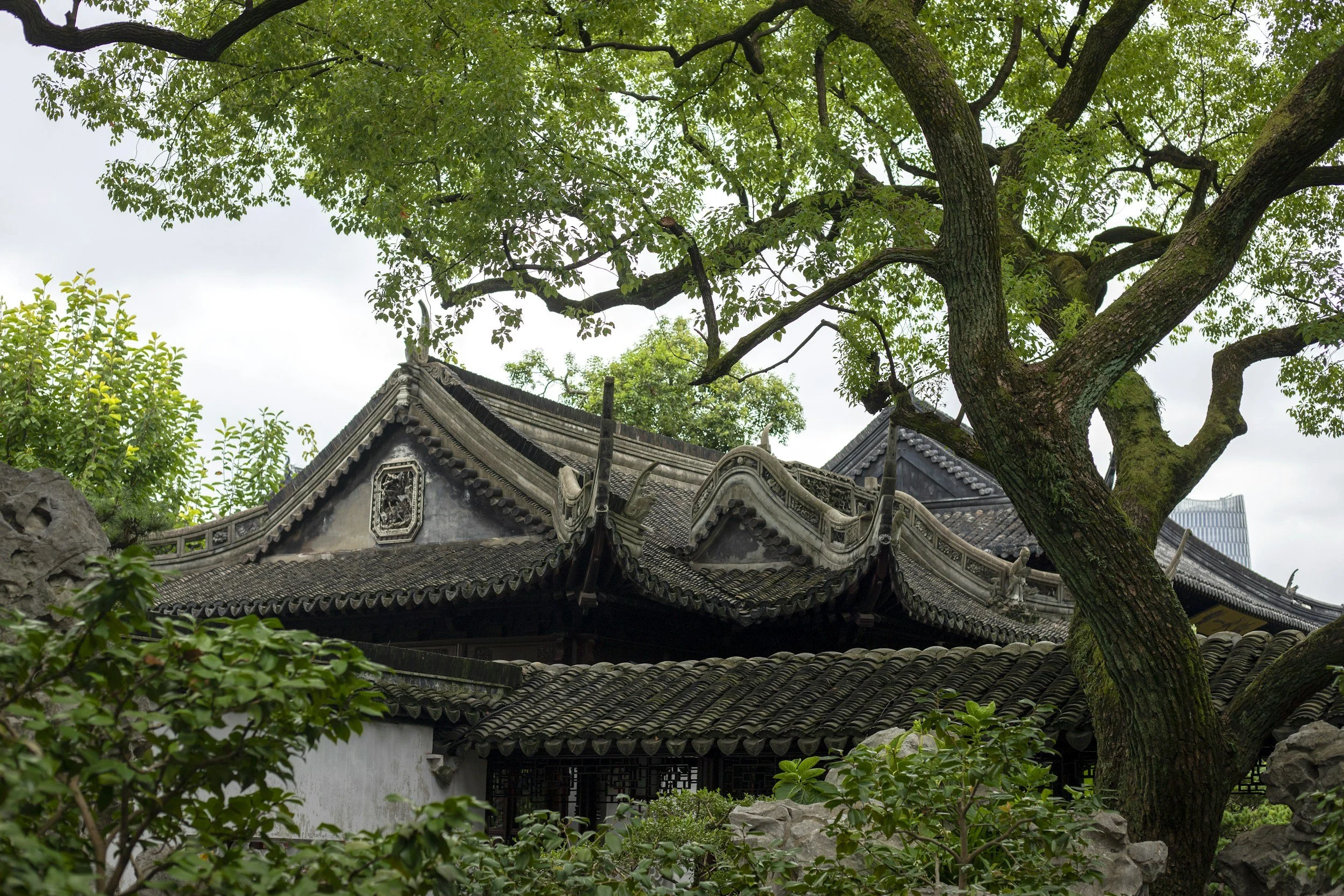
100 Things to Do Before I Die
I realized I needed a framework, not a cage. One winter morning, while meandering through Harvard Yard, I stopped asking "What is the plan?" and instead asked: "What would I regret not doing?"
Item by item, I was relentless. I came up with a list of ‘firsts’. Go to Brazil. Learn to speak 10 languages. Go up in a hot-air balloon. Publish a novel. Live in Rome. The list was drafted in a fervor, fueled by chai lattes at the legendary student-run cafe, Gato Rojo.
The newly drafted '100 Things to Do Before I Die' bucket list became my training manual. It provides the structure (the "What") so that I can relax enough to be fully present for the magic (the "How").
This is also when I realized that true freedom isn't the absence of a plan. It’s the mastery of the moment.

How to Plan for Magic
So, practically speaking, how does a recovering control freak manage this without spiraling?
Don’t get me wrong: I didn't burn my agenda. I’m not a savage. My Google Calendar is still colorful, and my life is organized in Notion databases that are frankly a work of art. But the hierarchy has changed.
Here is the secret sauce: The "100 Things" list is my malleable, agile backlog. It’s a menu, not a contract. As my preferences change, so does the list. I’d say 80% of it has remained the same over the years, but the list is always open for negotiation.
Every January, I sit down and pick just a handful of items, usually 3 to 5, to move into my yearly aspirations. Notice I said aspirations, not deadlines. What would I regret not doing this year?
I use Notion to break those down and Google Calendar to find the time, but I treat them as "Trained Spontaneity." What if I planned to run a marathon but broke my leg? That’s fine. I’ll pivot to learning Portuguese.
The tools provide the structure, but the bucket list provides the soul.

Your Turn: Hacking 2026
If you’re staring at a blank planner for 2026 and feeling that familiar mix of anxiety and boredom, this is how I do it:
Ditch the resolutions: "Go to the gym" is helpful, but it is a chore if you don’t like going to the gym. If hiking is your favorite activity, then "Climb a South American mountain higher than 4000 meters" is a really good story.
Draft the 100: Don’t overthink it. Write down 100 things you’d regret not doing in life. Big (Write a book) and small (Eat the best taco in Mexico).
Pick your current favorites: Scan the list. Which items make your heart beat a little faster right now? Move those to your 2026 dashboard.
Schedule the structure, not the outcome: Put the activity or a sequence of activities in your calendar, then let the rest happen.
Don't plan to be busy this year. Plan to live according to your desires … and yes, it is still perfectly acceptable to color-code those desires in your calendar.
You can search for all destinations currently featured on mucho mundo here and consult the blog articles here.